








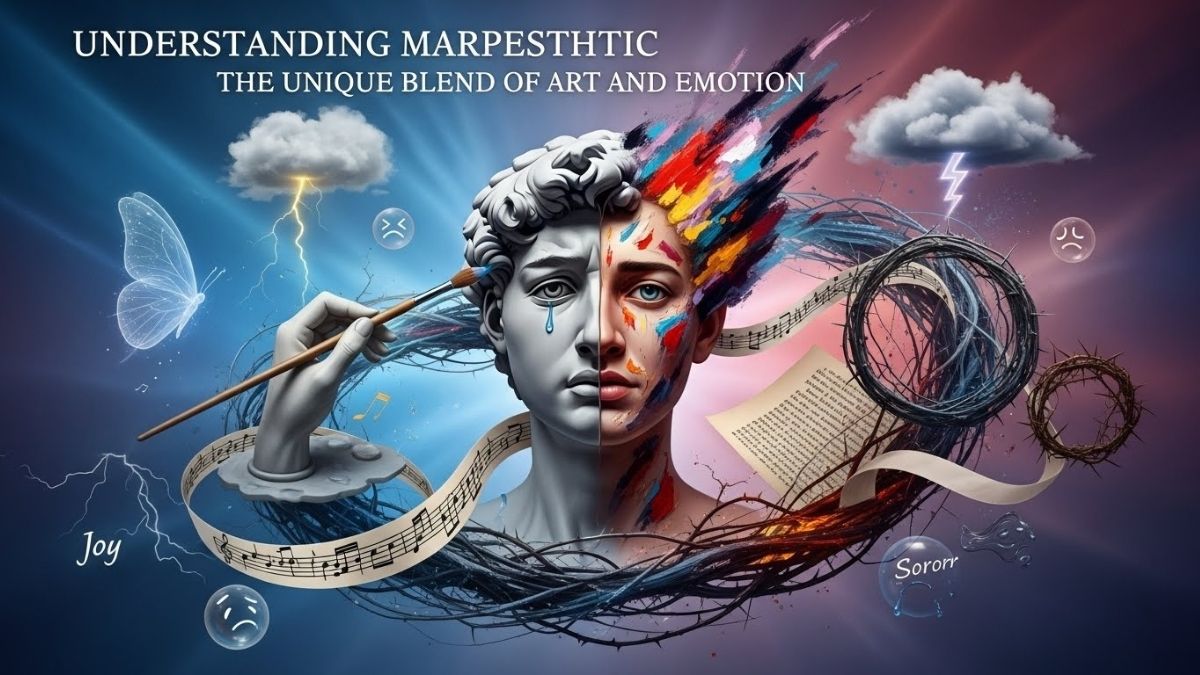
Marpesthtic is a term that might sound unfamiliar, but it carries with it a vast world of creativity and emotion. This unique blend captures the essence of art and feelings in ways that resonate deeply with our inner selves. Imagine walking through an art gallery where each piece speaks to your heart or listening to music that stirs memories long forgotten. Marpesthtic encapsulates those moments, weaving together visuals, sounds, and words into something profoundly impactful.
As we delve deeper into this fascinating concept, you’ll discover its rich history and evolution. You’ll learn how artists across various mediums embrace marpesthtics to evoke powerful emotions within their audiences. Whether you’re an artist seeking inspiration or simply someone who appreciates beauty in all forms, understanding marpesthtic can enhance your experience of art and life alike. Get ready for a journey through creativity that promises to touch your soul!
The History and Evolution of Marpesthtic
The history of marpesthtic is a fascinating journey through time. This unique concept has roots in ancient art forms where emotion and creativity intertwined seamlessly. Early artists sought to evoke feelings that resonated with viewers, planting the seeds for what would evolve into marpesthtics.
As cultures developed, so did artistic expressions. The Renaissance period ignited new approaches, blending realism with emotional depth. Artists began to explore the human experience more profoundly, laying the groundwork for modern interpretations.
In contemporary times, marpesthtics has gained traction across various mediums. It transcends traditional boundaries and encourages experimentation. Today’s creators harness this blend of art and emotion, pushing limits and redefining their craft in innovative ways.
This evolution reflects society’s changing values and perceptions of both art and emotional expression—an ever-growing dialogue between creator and audience that continues to inspire generations.
The Elements of Marpesthtic: Art and Emotion
Marpesthtic thrives at the intersection of art and emotion. It weaves together visual elements, soundscapes, and words to create a tapestry that resonates deeply with our feelings.
Art serves as the canvas for marpesthtic expressions. Vibrant colors can evoke joy while muted tones often stir nostalgia or melancholy. Each brushstroke becomes an emotional conduit.
Emotion is equally vital in this blend. It adds depth, making every piece not just seen but felt. A melody might transport us back to cherished memories, while poetry stirs unresolved emotions within our hearts.
Together, these components forge connections between creators and audiences. This symbiotic relationship enriches experiences across various mediums—transforming ordinary moments into profound revelations about human life. The magic lies in their interplay; one amplifies the other for a complete sensory experience that invites reflection and introspection.
How Marpesthtic is Used in Different Forms of Art
Marpesthtic finds its way into various forms of art, creating a dialogue between the observer and the artwork. In visual arts, it manifests through bold colors and evocative imagery. Artists use this unique blend to evoke feelings that resonate deeply within viewers.
In music, marpesthtic elements come alive in melodies that stir emotions. Composers skillfully weave harmonies together to create an auditory experience that speaks to the soul. Each note carries weight, transforming simple tunes into heartfelt expressions.
Literary works also embrace marpesthtic through powerful language and vivid storytelling. Writers paint pictures with words, invoking imagery that connects readers to their own experiences. This emotional engagement keeps audiences captivated from start to finish.
Across all artistic disciplines, marpesthtic serves as a bridge connecting creators with those who consume their work. It enriches our understanding of art while enhancing our appreciation for human expression.
Examples of Marpesthtic in Visual Arts, Music, and Literature
Marpesthtic finds its way into various forms of expression, creating a bridge between art and emotion. In visual arts, consider the haunting landscapes of Edward Munch. His “The Scream” resonates deeply with viewers through its raw depiction of existential dread.
Moving to music, think about Beethoven’s symphonies. Each note carries weight; his melodies evoke joy and sorrow in equal measure. The emotions resonate long after the last chord fades.
Literature also showcases marpesthtic elements. Take Virginia Woolf’s stream-of-consciousness style in “Mrs. Dalloway.” Her narrative immerses readers in characters’ inner thoughts, weaving profound emotional experiences throughout the text.
These examples demonstrate how marpesthtic blurs boundaries across disciplines, allowing us to feel more intensely through diverse mediums.
Benefits of Incorporating Marpesthtic in Daily Life
Incorporating marpesthtic into daily life can transform mundane moments into profound experiences. This unique blend of art and emotion encourages individuals to appreciate the beauty in everyday occurrences.
Engaging with marpesthtic allows for deeper emotional connections. Whether it’s through painting, music, or literature, expressing feelings can lead to personal growth and self-discovery.
Moreover, embracing this concept enhances creativity. By viewing life through a marpesthtic lens, one becomes more open to inspiration from surroundings and relationships.
Practicing mindfulness through art fosters mental well-being. It creates space for reflection and reduces stress by inviting tranquility into chaotic days.
Sharing marpesthtic experiences cultivates community bonds. Engaging with others creatively promotes understanding and empathy while enriching social interactions.
Conclusion
Marpesthtic represents a fascinating intersection of creativity and sentiment. This unique blend has evolved over time, enriching various art forms while influencing how we experience the world around us. By understanding marpesthtic, we uncover layers of meaning in visual arts, music, and literature that resonate deeply with our emotions.
Incorporating marpesthtic into daily life can enhance our appreciation for beauty and connection. Whether it’s through enjoying evocative artwork or listening to music that stirs the soul, embracing this concept can elevate everyday experiences. It invites us to feel more profoundly and engage with our surroundings on a richer level.
The journey into marpesthtic is one of exploration—an invitation to delve deeper into the artful expressions that mirror our emotional landscapes. As we navigate through various artistic mediums infused with this essence, we may find ourselves transformed by their power. Engaging with marpesthtic isn’t just an aesthetic choice; it’s a pathway towards understanding ourselves and others more intimately.